
"German coffee trade"
400 article(s) found

The introduction of Coffee to the West and the French Enlightenment
The mission of the ambassador's visit is obviously not to give French aristocrats the aesthetic concept of popular minimalist clothing.
New coffee elements, let's learn it together.
Some new coffee elements popular in Europe have been gradually introduced into China, a rapidly rising market.

The spread and Development of Coffee History
The spread and development of coffee European historians argue that there were artificially grown coffee trees for trade in Yemen in the southern Arabian Peninsula as early as 800 years ago, and there is also historical evidence that at that time, there was indeed trade across the Red Sea between Yemen and Ethiopia. Based on this, it is speculated that if the use of coffee is made by Ethiopians

Yega Snow Coffee Flavor Adoto introduces the characteristics of Yejia Chefe Coffee
Today, Ethiopia is an important coffee producer, with about 12 million people engaged in coffee production and a major exporter of Arabica coffee beans in Africa. The high-quality coffee here is of excellent quality and is worth looking for. A variety of coffee cultivation methods can be found in Ethiopia: from wild coffee forests and semi-developed land

The Yega Snow Coffee producing area of a coffee with unique flavor
Today, Ethiopia is an important coffee producer, with about 12 million people engaged in coffee production and a major exporter of Arabica coffee beans in Africa. The high-quality coffee here is of excellent quality and is worth looking for. A variety of coffee cultivation methods can be found in Ethiopia: from wild coffee forests and semi-developed land

The nutritional composition of Coffee the grade planning of coffee
First, the story of the shepherd legend around the tenth century AD, on the Ethiopian plateau of Africa, there was a shepherd Karl. One day he saw the goats suddenly looking very excited and excited. He thought it was strange, and then after careful observation, he found that the sheep were excited after eating some kind of red fruit. Carl tasted some curiously and found that he also felt after eating it.
The basic knowledge of Coffee Culture an important era in American Coffee History
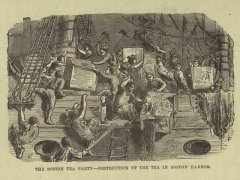
People in Indian costumes (people dressed as Native Americans) throw boxes of tea overboard in the moonlit port of Boston, a famous event that led to the outbreak of the American War of Independence (Revolutionary War). 1652-the first coffee shop opened in England, when a cup of coffee cost a penny; now a cup costs Espresso
Turkish coffee
Although Turkish coffee was first introduced from Yemen, Turkey was the first nation to secularize coffee drinks. When Turkish Ottoman soldiers fought in Europe, they left behind several sacks of coffee. Europeans originally thought it was camel feed. Later, they found that these small beans were refreshing agents for Turkish soldiers and tasted good. Therefore, western countries became addicted to coffee.

Central American Coffee | Manor New Glenda, Guatemala | pointed bourbon | recommendation of individual coffee beans
Professional coffee knowledge exchange more coffee bean information please follow the coffee workshop (Wechat official account cafe_style) Origin: central America Guatemala production area: San Marcos Manor: new Granda Manor (Finca Nueva Granada) altitude: 1550 m Variety: Reunion African Reunion native Laurina pointed bourbon / natural low caffeine tree species treatment

Introduction of Guatemalan boutique coffee bean brands with very strong flavor
There is a wide gap between the rich and the poor in Guatemala, with the top 10% of the population accounting for 42.4% of the country's wealth, while the bottom 10% of the population accounts for only 1.3% of the country's wealth, with a Gini coefficient of 0.55. Starting from January 1, 2010, the minimum wage for at-risk workers was raised to 56 quetzales ($6.71) per person per day, plus a bonus of 250 quetzals ($29.97) per month. [1] Medical 2009, Guatemala
Coffee beans the story of coffee beans the origin of coffee beans the story of the shepherd
Coffee beans in a broad sense, there are two kinds of coffee beans in the world, Arabica beans and Robosta beans. The earliest Arab way to eat coffee was to chew the whole fruit (CoffeeCherry) to absorb its juice. Then they mixed the ground coffee beans with animal fat as a physical supplement for long trips, and it was not until about 1000 AD that the green coffee beans were used.

Development and change of Coffee: from Medicinal use to drinking
Coffee for drinking is said to have begun at the beginning of the eleventh century, and the record can be seen in ancient Arab documents. Before that, coffee beans were dried and boiled in the Arab region and then drank as stomach medicine, but later learned that coffee also had a refreshing effect, coupled with the strict Muslim commandments that forbade believers from drinking, and believers used coffee juice from roasting as a substitute for wine.

Introduction of Coffee Manor in Sidamo Gedeo District, Sidamo Province, Yega Snow Coffee producing area
Today, Ethiopia is an important coffee producer, with about 12 million people engaged in coffee production and a major exporter of Arabica coffee beans in Africa. The high-quality coffee here is of excellent quality and is worth looking for. A variety of coffee cultivation methods can be found in Ethiopia: from wild coffee forests and semi-developed land

Introduction of Gatugi, Gatuji processing Plant, Osaya Cooperative, Othaya, Nyeri Coffee, Kenya
Professional coffee knowledge exchange more coffee bean information please follow the coffee workshop (Wechat official account cafe_style) Kenya Nieli Gatugi AB | Water washed beans (Gatugi AB Nyeri Kenya) production area: Kaili Nyeri processing Plant: Osaya Cooperative Jia Tuji processing Plant Grade: AA level: 1825 meters treatment method: washing treatment cup wind measurement
Problems that should be paid attention to when tasting coffee
(1) No milk is the most widely used coffee condiment. Traditionally, milk has never been added to coffee in some countries such as Yemen, Ethiopia and Turkey. It is widely believed that milk was first added to coffee by Monin in Grenoble in 1685. In the mid-1980s, 57% of people in the United States drank coffee with milk, while Germany had a high percentage.
The third forgotten breed: boutique Rabia Coffee? Liberica, is the coffee good?
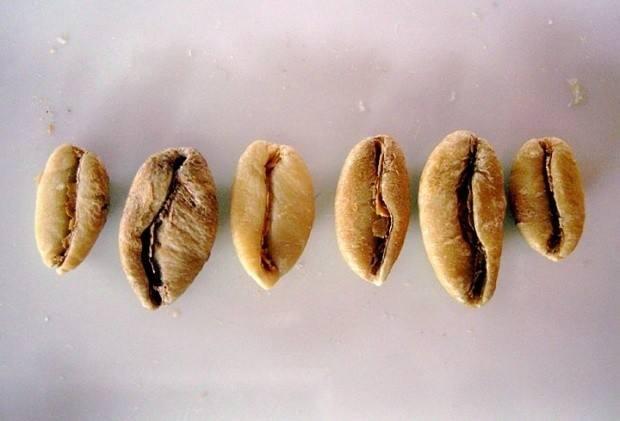
Professional coffee knowledge exchange more coffee bean information please follow the coffee workshop (Wechat official account cafe_style) the most common varieties in the coffee industry are Arabica and Robsta, but there is also coffee from Liberia (C. liberica), which is often forgotten by the public, and this variety is often recognized by the boutique coffee industry as "bitter, metallic and woody" coffee, so that it is not to be
Coffee by-product development in various countries
Recently, Belgium has made a material from the pulp of a new variety of white coffee. Its composition is the same as ordinary coffee, but it is milky white, easy to digest and absorb, and has a variety of health functions. The creators have not only broadened the use of waste pulp, but have also used this material to make coffee soda, which is suitable for athletes and people with indigestion. Not long ago, Japan's new century food

Introduction to the characteristics of grindability of delicious Guatemalan Coffee
Antigua coffee is popular with most coffee lovers only because of its distinctive aroma. Because it is planted in the hills of volcanoes, it can retain its own characteristics more than Costa Rica, the main reason is that it has more geographical and climatic advantages than Costa Rica. Guatemala is located in the tropics, but because of its high altitude, Qi
Fine Coffee Guatemala Coffee Processing Method Washing
The extra hard coffee beans here are full, delicious and balanced, and the coffee brewed with them is pure and rich. Guatemala coffee once enjoyed a reputation as the best coffee in the world, but quality declined for a while. Happily, however, its popularity is gradually being restored. Father Jesuit introduced coffee trees to Guatemala in 1750, late 19th century
Coffee Culture of Coffee all over the World
The Discovery and spread of Coffee how was coffee discovered? When people taste mellow coffee, they can't help but ask such questions.